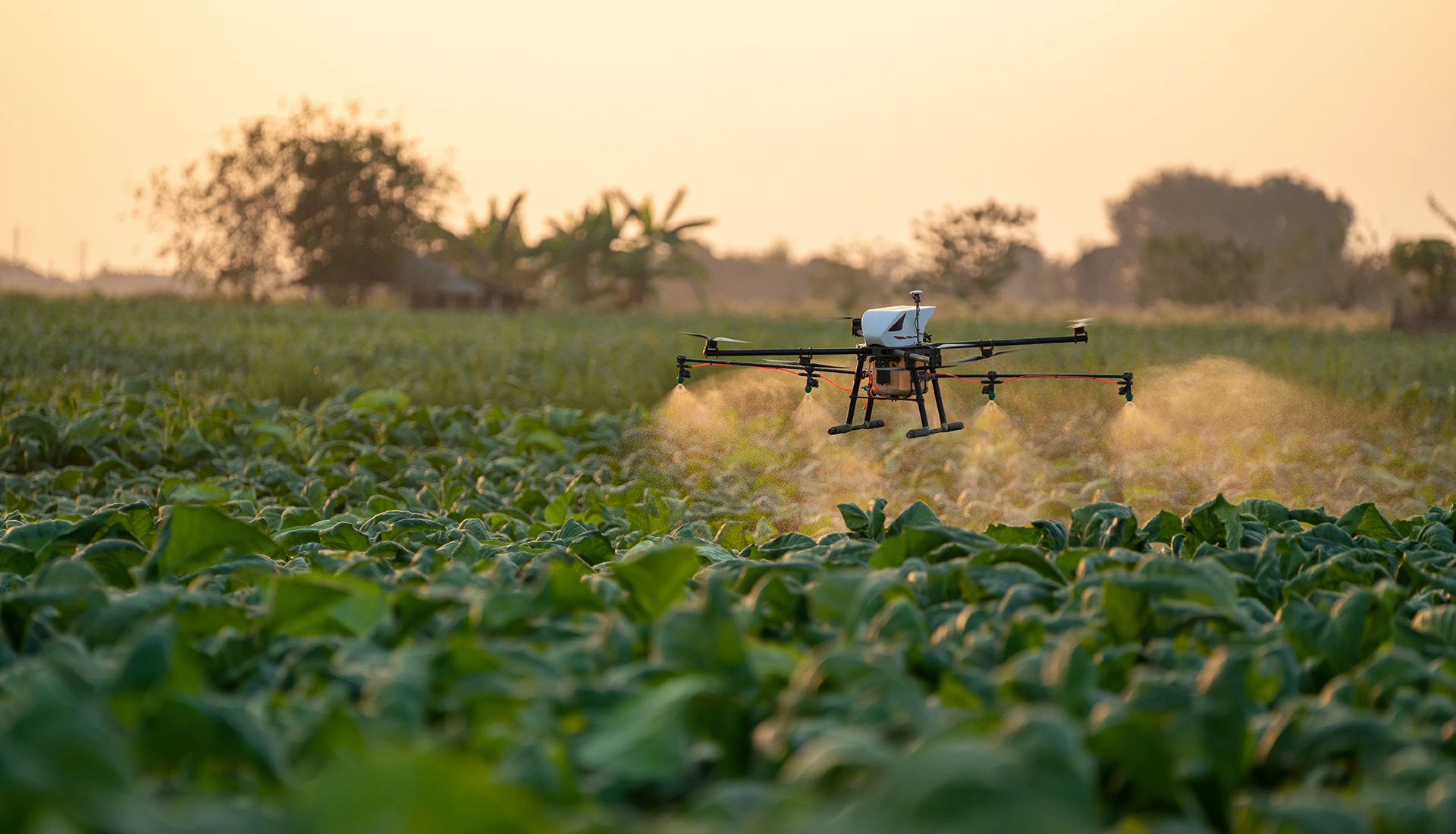
Advancing modern sustainable agriculture
Ecological innovation
Preserving ecosystems through strategic land management
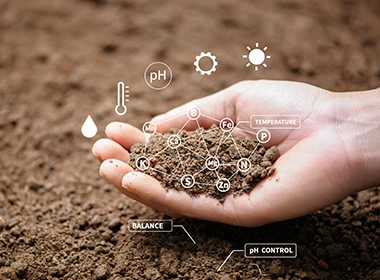
Restoring native soil health
Healthy microbial networks in the topsoil break down organic matter, boosting fertility and sequestering carbon without synthetic fertilizers.
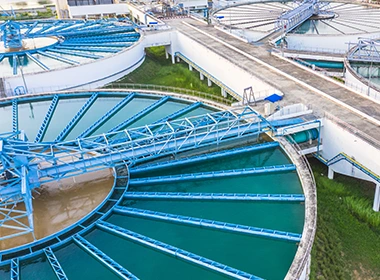
Protecting local water sources
Vegetative buffer strips along riparian zones filter runoff, preventing sediment and agrochemical drift from entering waterways.

Supporting pollinator habitats
Wildflower corridors between crop fields provide nesting grounds for native bees and habitats for beneficial insects acting as natural pest control.
Optimizing Resilient Crop Yield Cycles
Successful harvests rely on precision agronomy, where integrated pest management and crop rotation break pest cycles. Farmers use predictive climate data to define planting windows, ensuring seed germination while maximizing soil nutrient uptake before dormancy.
Enhancing animal welfare standards
Modern livestock management prioritizes low-stress environments where herds move through managed rotational grazing systems. This improves herd health, reduces antibiotic interventions, and stimulates pasture regeneration, sequestering carbon within the root systems of perennial grasses.
Advanced Agricultural Machinery and Equipment
Contemporary tractors feature advanced telematics and hydraulic systems, handling implements with millimeter precision. From autonomous combine harvesters to high-density balers and seed drills, these machines reduce soil compaction via optimized weight distribution, preserving arable land structure.
Mechanical efficiency
Digital farming and precision agriculture technologies
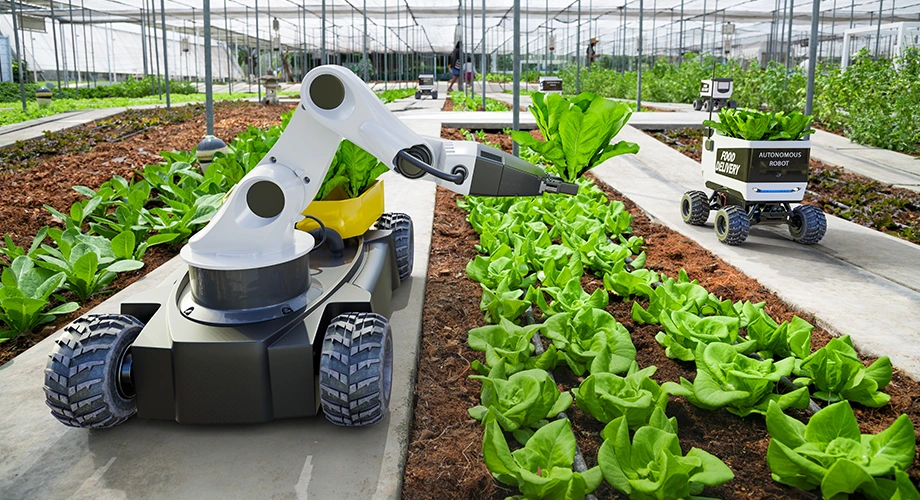
The integration of IoT farm sensors transforms fields into data-rich environments. In-soil sensors transmit real-time moisture levels, enabling variable rate irrigation (VRI). Drones survey crop health, identifying stress zones, while GPS guidance systems ensure zero overlap during seeding operations. Decisions rely on farm management software (FMS) and predictive analytics.

Drone aerial surveillance for crop scouting
Multispectral cameras reveal plant health and biomass estimation.

Automated in-field sensor networks
Real-time soil nitrogen monitoring optimizes variable rate fertilization.

GPS tractor guidance systems
Satellite steering reduces fuel consumption and input overlap.

Smart climate control units
Greenhouses use predictive climate automation to adjust temperature and humidity.

Sustainable growth strategy
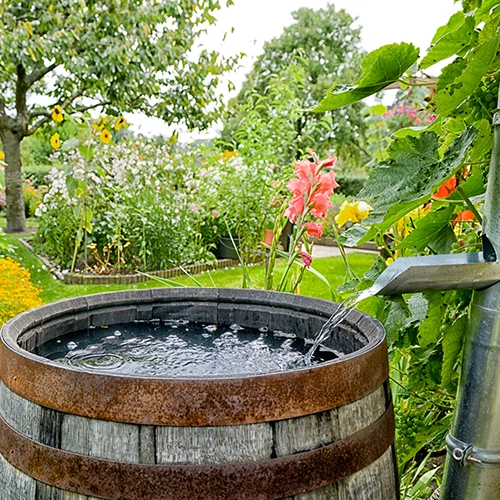
Efficient resource usage
Future farming insights
Challenges facing global agricultural supply chains
Adapting to Climate Volatility
Extreme weather events disrupt planting schedules, forcing agronomists to develop drought-resistant and heat-tolerant crop varieties.
Managing soil erosion and degradation risks
Intensive tillage leaves topsoil vulnerable to wind, making conservation tillage and cover cropping essential for long-term farmland productivity.
Balancing production with ecological preservation
Farmers must meet increasing food demands while reducing agrochemical runoff to protect wildlife habitats and enhance on-farm biodiversity.
The Synergy of Rural Management Practices
Transitioning to digital agriculture is a fundamental shift. By leveraging agronomic data and autonomous machinery, rural enterprises reduce their environmental footprint while boosting efficiency. The synergy between agrobiology and engineering precision creates a resilient food system for growing populations. The successful farm of tomorrow balances ecological stewardship with cutting-edge agritech solutions that drive productivity without exhausting finite land resources.